Your specialists
for innovative Prostate treatments in Berlin

Contact

Dr. med. Tobias Bothmann

Website

Prof. Dr. med. Hannes Cash

Website

Dr. med. Martin Kanne

Website

overview

Individualized treatment plans for your prostate health – innovative, minimally invasive, and tailored to your needs.

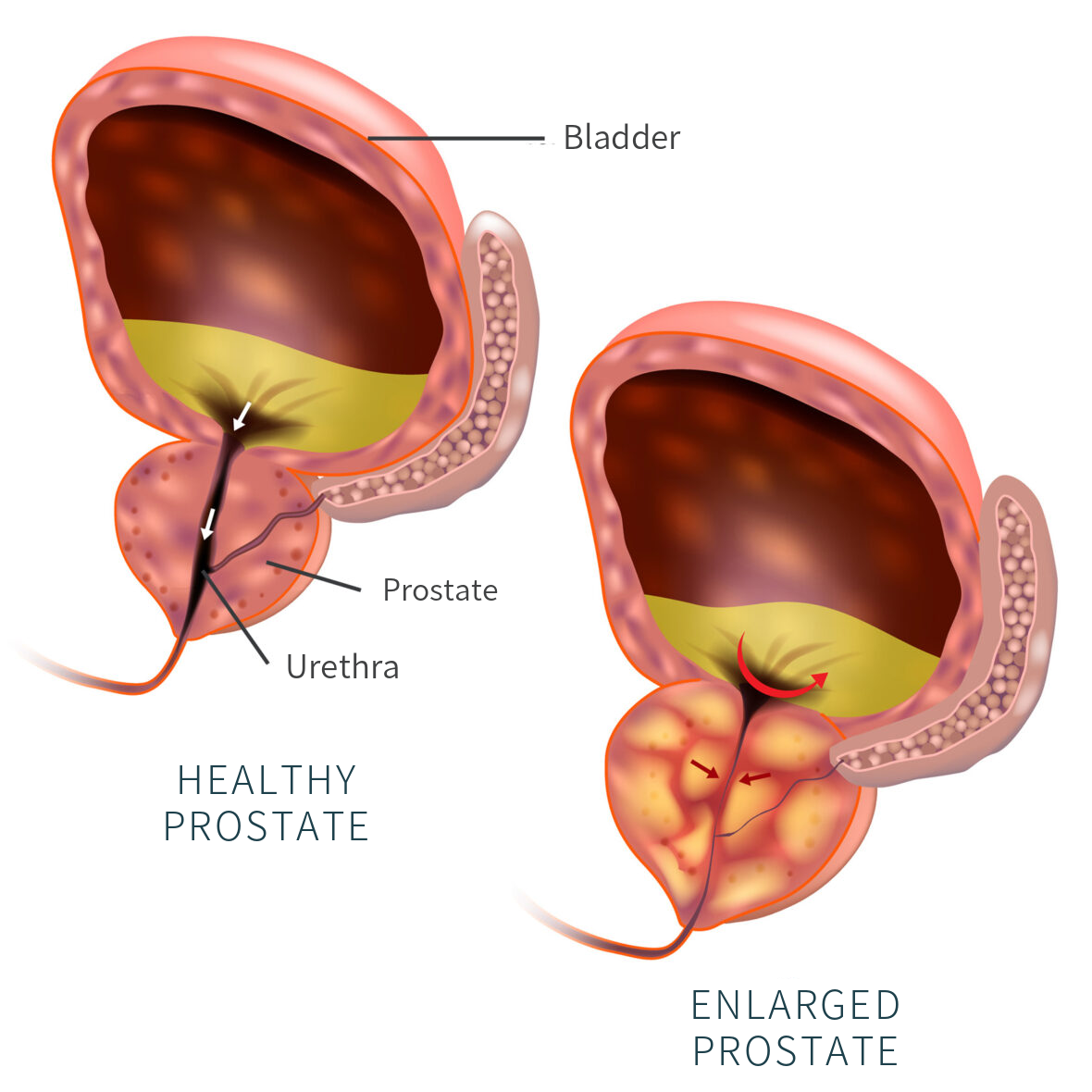
Prostate problems affect many older men and can significantly impair daily life. Common symptoms of an enlarged prostate (BPH – symptomatic benign prostatic hyperplasia) include, for example:

  • Difficulty urinating
  • Weak urine stream
  • Frequent urge to urinate, especially at night
  • The sensation of incomplete bladder emptying

Our specialized urologists Dr. med. Bothmann, Prof. Dr. med. Cash and Dr. med. Kanne offer a wide range of advanced treatment options tailored to your specific symptoms, individual situation, and needs.

Three leading urologists with specialized teams
Over 1,000 successful procedures per year
Internationally recognized mentors and experts

Our experienced urologists Dr. med. Bothmann, Prof. Dr. med. Cash and Dr. med. Kanne develop a suitable treatment plan together with you. Naturally, medically necessary indications are taken into account. However, it is often necessary to weigh the pros and cons of specific therapies. It is important to us to develop a treatment plan that is right for you.

Our range of therapeutic procedures extends from gentle, minimally invasive techniques—such as Rezūm® water vapor therapy—to state-of-the-art laser surgical procedures, including holmium laser enucleation of the prostate (HoLEP), the innovative Mini-HoLEP (MiLEP), GreenLight laser enucleation (GreenLEP), and the classic transurethral resection of the prostate (TURP).

Furthermore, we offer state-of-the-art diagnostic procedures, such as micro-ultrasound with perineal fusion biopsy, for the precise assessment of the prostate as part of cancer diagnostics.

Our aim is to offer you a tailored treatment that addresses both your clinical symptoms and your individual needs.

Contact

services

Cutting-edge medicine with state-of-the-art technology
for your health

Micro-ultrasound and
targeted perineal biopsy

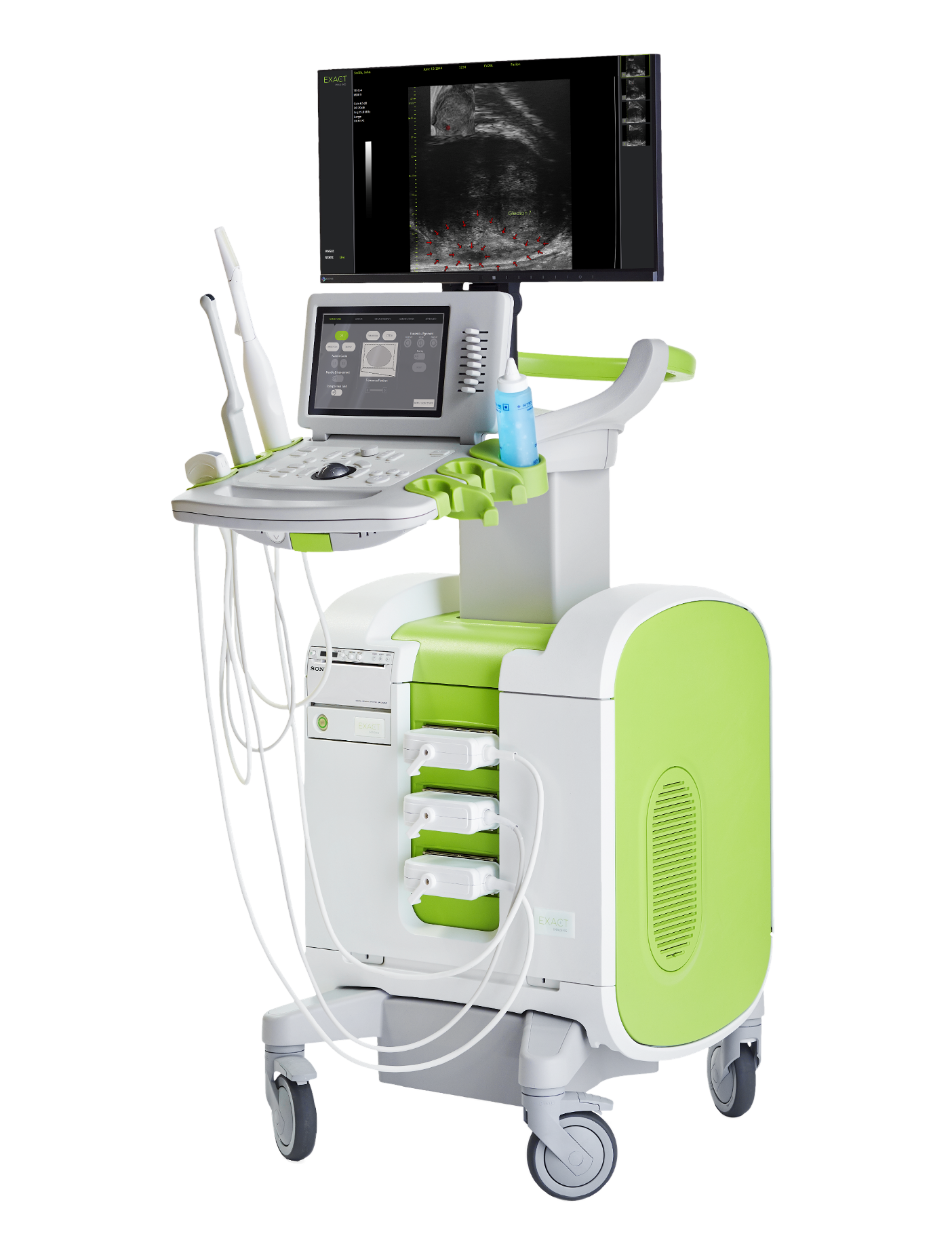
High-resolution ultrasound (29 MHz) of the prostate is used to examine changes in the prostate—particularly when cancer is suspected. This allows suspicious areas to be identified during the ultrasound examination itself. It is especially suitable for patients who already show signs such as elevated PSA levels or abnormal findings from previous examinations. Combining micro-ultrasound with targeted biopsy enables a more precise diagnosis, which is crucial for early and targeted treatment.

Current scientific data demonstrate that high-resolution micro-ultrasound is equivalent to multiparametric MRI of the prostate for cancer diagnosis.

Reference: Kinnaird A, Luger F, Cash H, et al. Microultrasonography-Guided vs MRI-Guided Biopsy for Prostate Cancer Diagnosis: The OPTIMUM Randomized Clinical Trial. JAMA. Published online March 23, 2025. doi:10.1001/jama.2025.3579

MIST (minimal invasive surgical therapy)

Rising life expectancy and the increasing demand for treatments for benign prostatic hyperplasia are driving the development of gentle, minimally invasive procedures. These methods—some of which can be performed on an outpatient basis and under local anesthesia—include:

Rezum (water vapor therapy)

If the medication for your prostate symptoms is effective but not well tolerated—or if dry ejaculation is unacceptable to you—we offer a gentle alternative procedure.

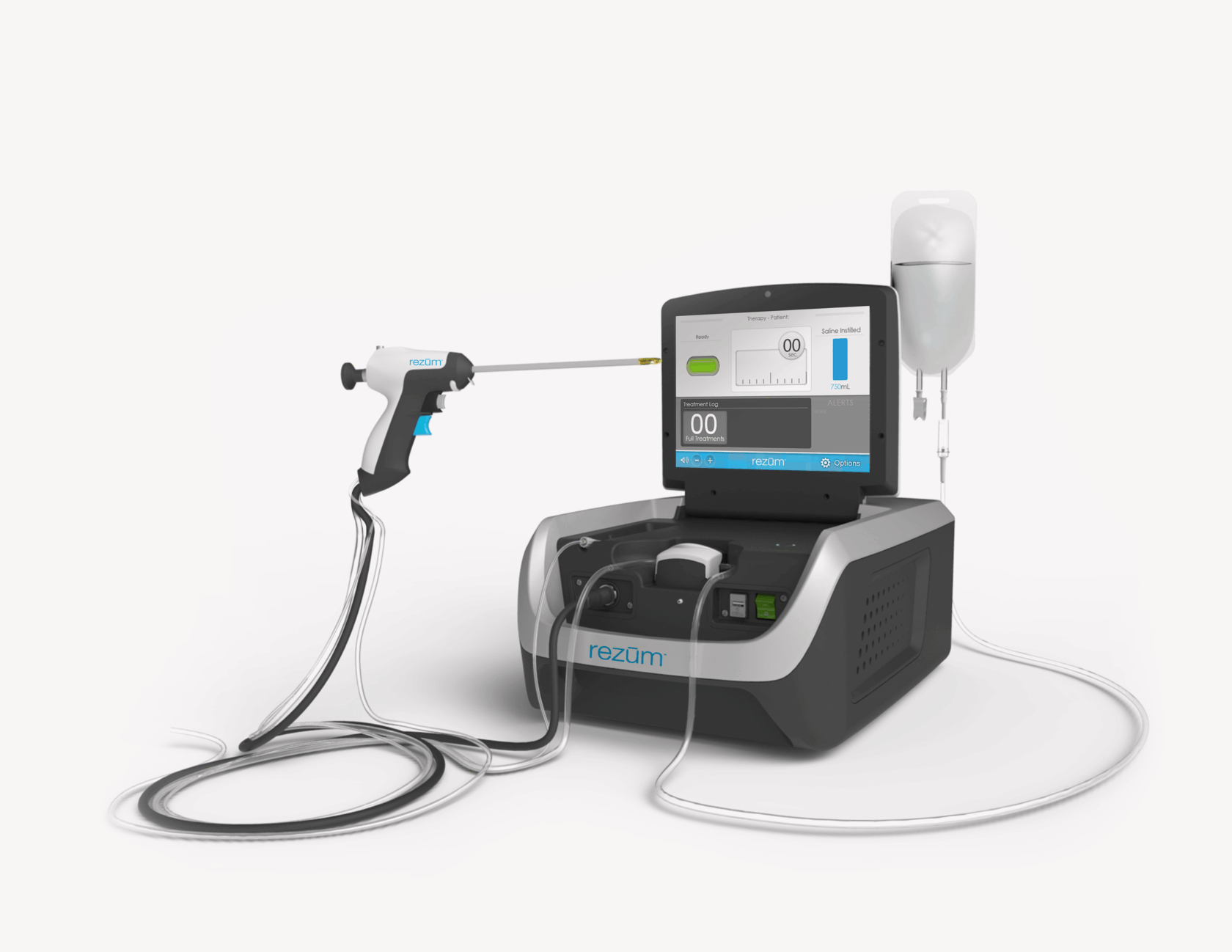
It is an innovative and sustainable concept; the therapy with steam, the RezumTM – System.
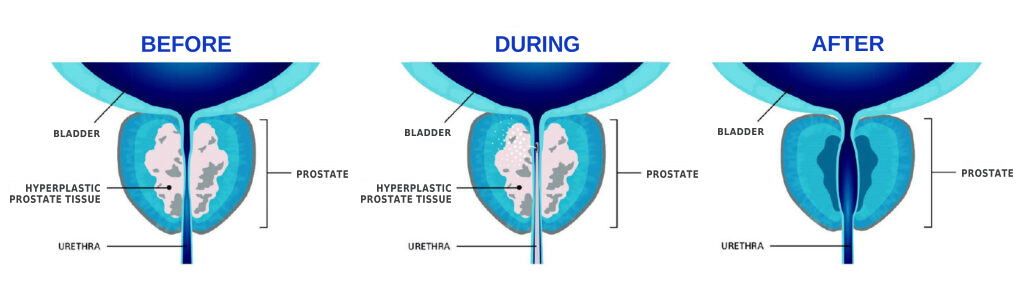
How does Rezum work?TM-Procedure?

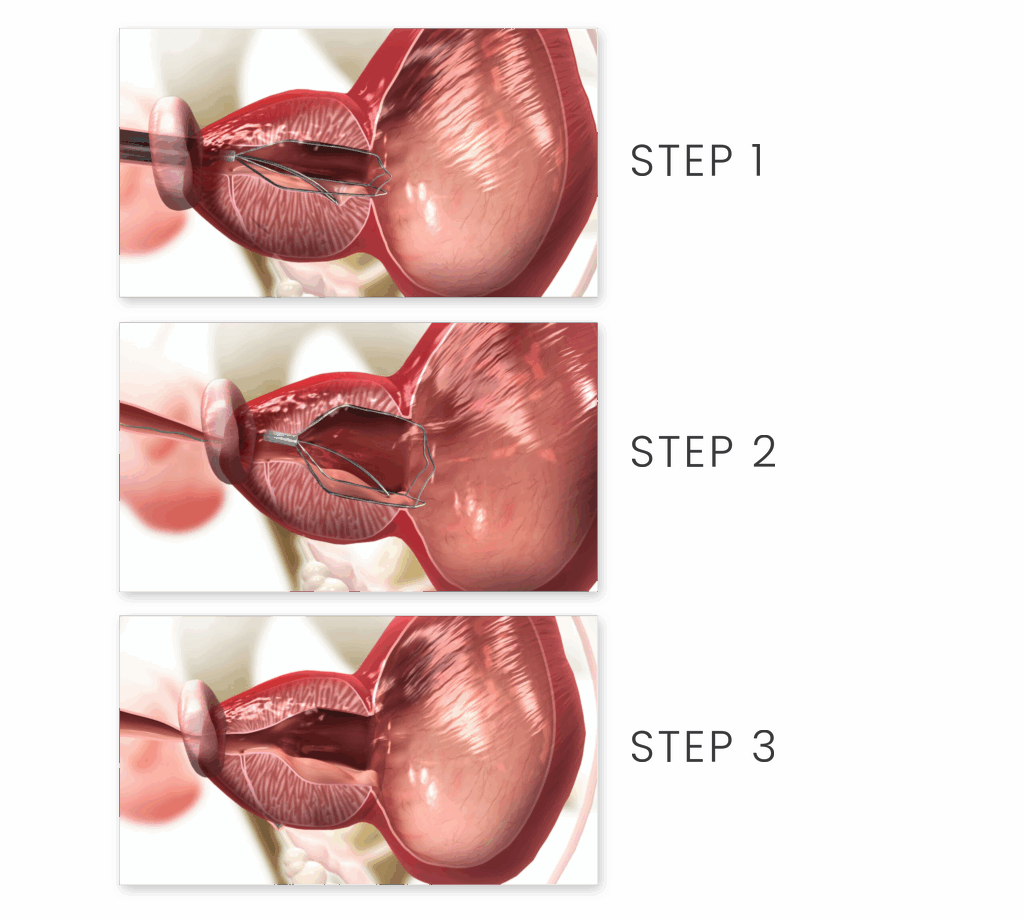
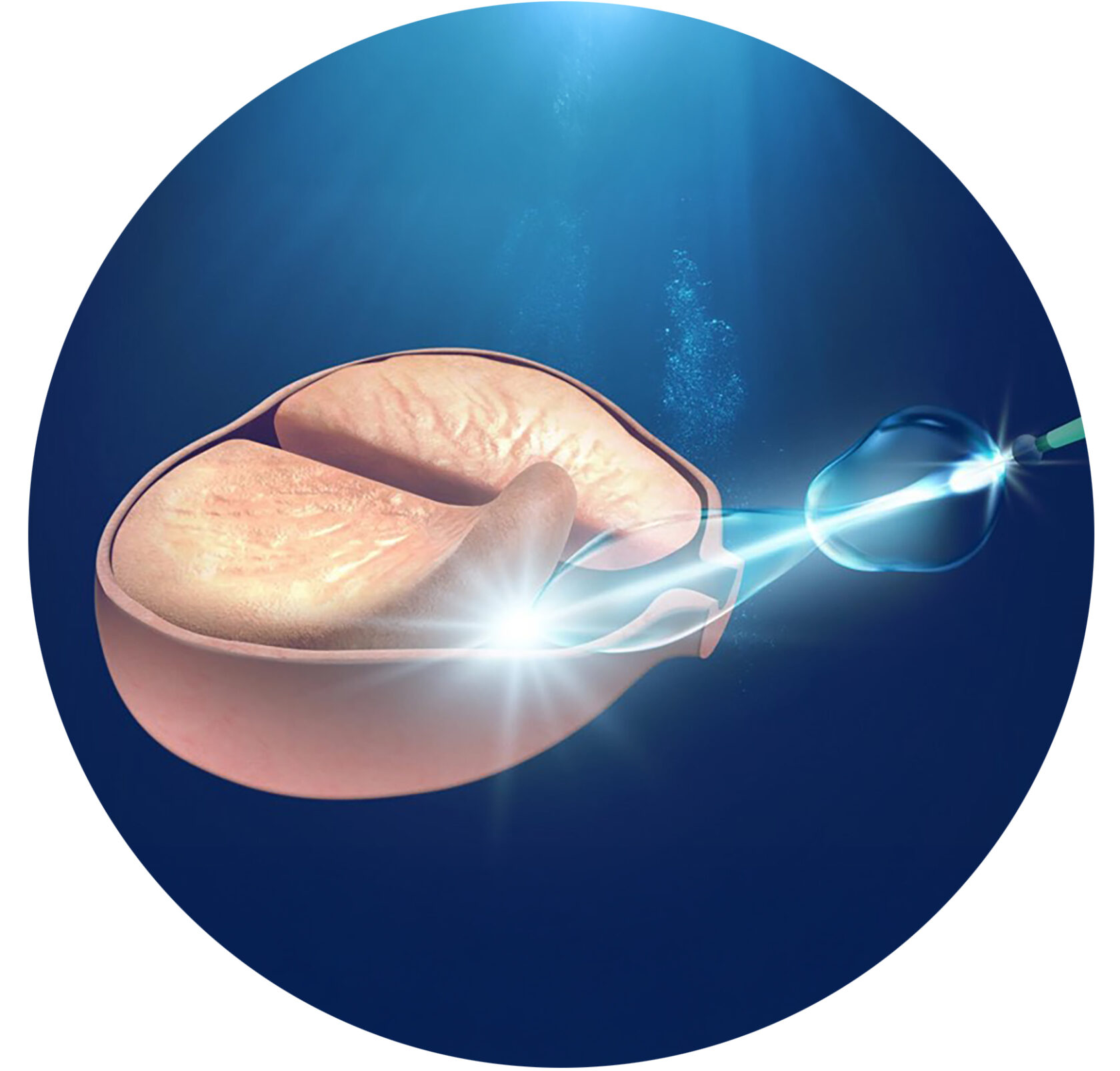
In this procedure, the prostate tissue is treated with hot water vapor.

The procedure is performed under brief general anesthesia or, upon request or in cases of high anesthetic risk, under local anesthesia. The procedure itself takes approximately 5–10 minutes. Using a cystoscope (an optical instrument for visualizing the urethra and bladder), a thin plastic tube is inserted into the prostate tissue, and hot water vapor is delivered through it. The water vapor causes the tissue to vaporize, and the body subsequently clears away the dead cellular material over the course of several weeks. This widens the lumen of the prostatic urethra, improves urine flow, and alleviates symptoms. (See Fig.)(1)

Following the procedure, the patient is fitted with an indwelling catheter, which is typically removed after 2 to 7 days. Many patients experience significant improvement after 2 to 3 weeks. Excellent 5-year outcomes are reflected in studies (2). Erectile and ejaculatory function remain unimpaired.

Reference:

(1) Mynderse LA, Hanson D, Robb RA, Pacik D, Vit V, Varga G, Wagrell L, Tornblom M, Cedano ER, Woodrum DA, Dixon CM, Larson TR. Rezūm System Water Vapor Treatment for Lower Urinary Tract Symptoms/Benign Prostatic Hyperplasia: Validation of Convective Thermal Energy Transfer and Characterization With Magnetic Resonance Imaging and 3-Dimensional Renderings. Urology. 2015 Jul;86(1):122-7. (How does it work).

(2) McVary KT, Roehrborn C. Five year results of the prospective, randomized controlled trial of water vapor thermal therapy for treatment of lower urinary tract symptoms due to benign prostatic hyperplasia. Late Breaking Abstract. J Urol. 2020 Apr;203(4):e1021.

ITIND

Instead of surgery, the iTind device—a small, temporary implant—is used; it is inserted via the urethra during a brief outpatient procedure. Once in place, it gently reshapes the prostate, thereby creating more space for urine flow.

The small basket remains in the body for only a few days and is subsequently removed. The procedure is generally performed without general anesthesia and involves a short recovery period.

Optilum

Optilum is a balloon catheter system used to treat urethral strictures. It combines mechanical dilation with the release of a therapeutic agent to prevent recurrent narrowing and enable lasting, unobstructed urine flow.

Prostatic artery embolization (PAE)

PAE is an interventional radiological procedure in which small particles are injected into the prostatic artery under X-ray guidance to reduce blood flow. This leads to shrinkage of the gland and an improvement in symptoms.

Laser enucleation of the prostate

Laser enucleation of the prostate is a minimally invasive procedure for treating benign prostatic hyperplasia (BPH). During the procedure, excess prostate tissue is detached (enucleated) from the capsule using a laser (e.g., Holmium or Thulium laser) and subsequently fragmented and removed. The method allows for precise treatment with minimal bleeding and faster recovery compared to conventional surgery. Indications include:

  • Difficulty urinating
  • Strong urge to urinate, frequent urination, especially at night
    (Nocturia)
  • Urinary retention managed with catheterization
  • Bladder stone formation
HoLEP

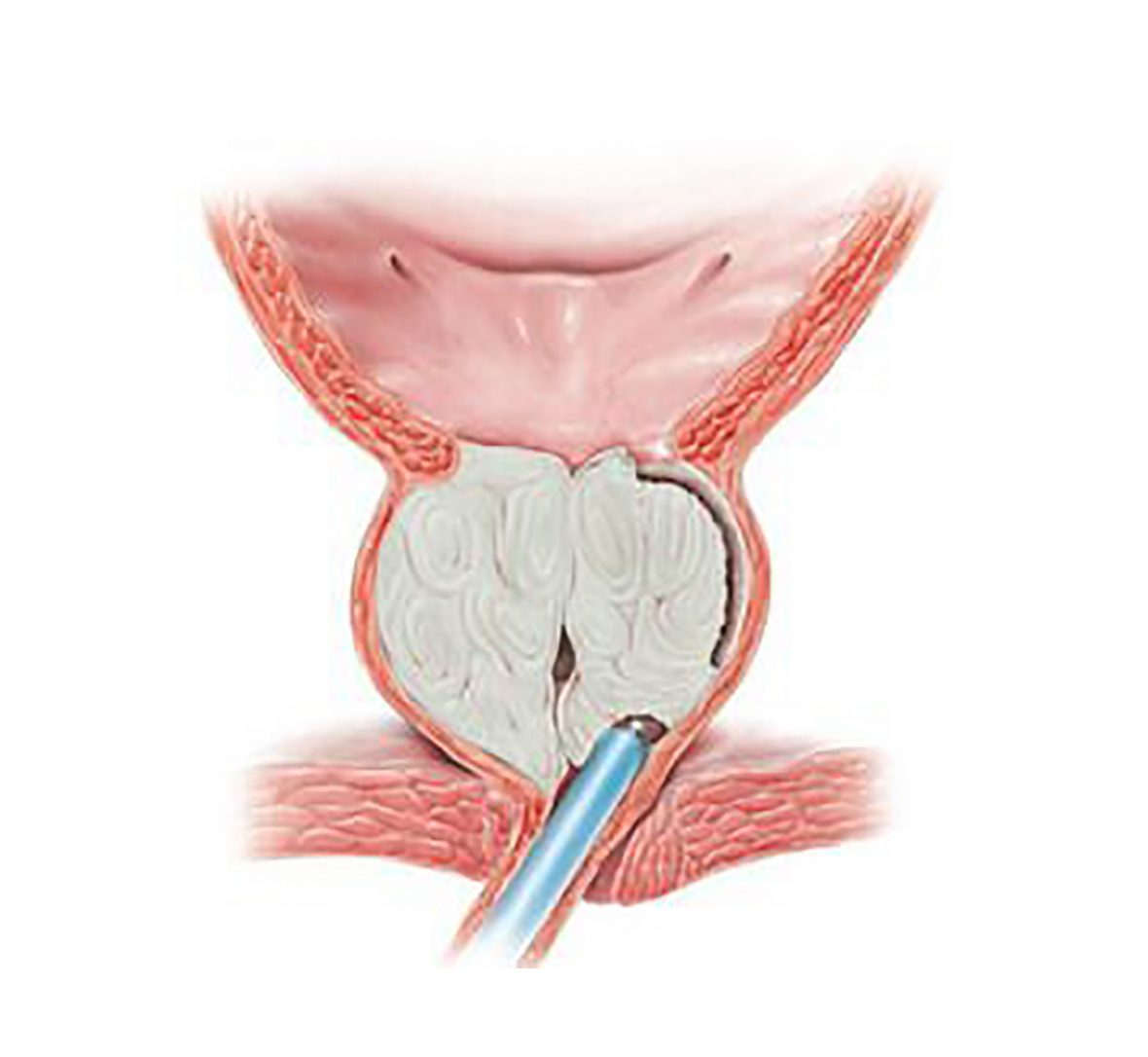
The principle of Holmium Laser Enucleation (HoLEP) is the enucleation—or "coring out"—of the prostate. This means that the prostate tissue (adenoma tissue) constricting the urethra is shelled out from within the prostatic capsule. The instrument is inserted via the urethra, and the enucleation is performed using the holmium laser.

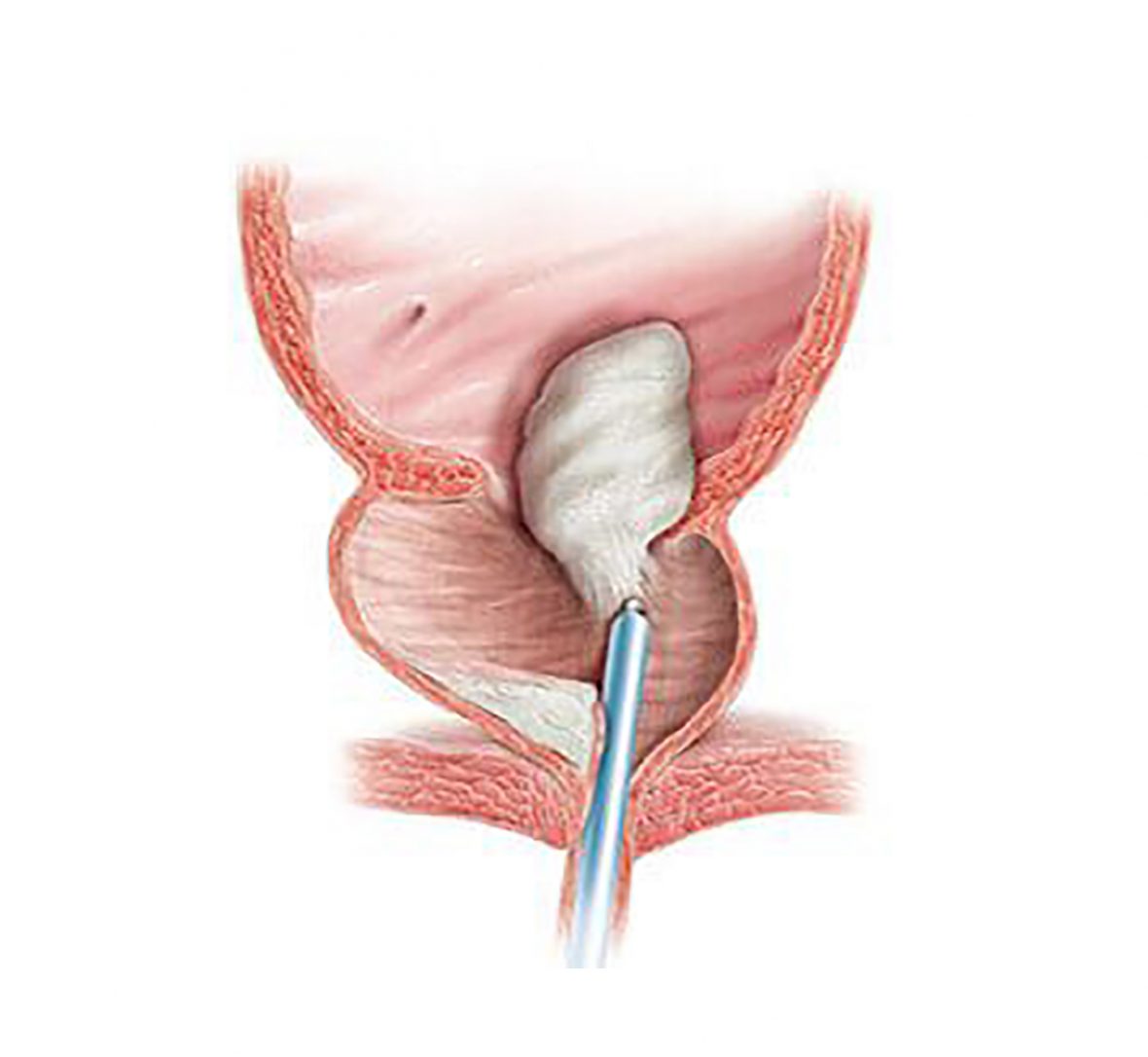
Once the adenoma tissue has been detached, it is deposited in the bladder and fragmented. This process is known as morcellation; a special instrument is used to suction the tissue and cut it into small pieces. These fragments are then flushed out through the instrument shaft and ultimately sent for histological examination.

HoLEP is a very minimally invasive procedure with rapid recovery, a low risk of bleeding, and excellent long-term results.

Reference: European Urology, 67 (2015) 1066-1096, Gomez-Sancha et al, World Journal of Urology 37, 2451-2458 (2019)

The Procedure

Gutting

The principle of Holmium Laser Enucleation (HoLEP) is the enucleation—or "coring out"—of the prostate. This means that the prostate tissue (adenoma tissue) constricting the urethra is shelled out from within the prostatic capsule. The instrument is inserted via the urethra, and the enucleation is performed using the holmium laser.

Morcellation

Once the adenoma tissue has been detached, it is deposited in the bladder and fragmented. This process is known as morcellation; a special instrument is used to suction the tissue and cut it into small pieces. These fragments are then flushed out through the instrument shaft and ultimately sent for histological examination.

MILEP – minimally invasive laser enucleation

Die MiLEP (Minimal invasive Laser Enukleation der Prostata) beschreibt ein Verfahren, bei dem mit endoskopischen Instrumenten, die einen schmaleren  Durchmesser als die HoLEP aufweisen, operiert wird. Dadurch wird der Zugang zur Prostata noch schonender ermöglicht.

Im Vergleich zur HoLEP werden Instrumente mit einem Durchmesser von 22 Charr verwendet (dies entspricht 7,3mm), welches einer Reduktion der Größe um 16 % entspricht.

Durch diese verkleinerten Instrumente wird der Zugang vereinfacht und anatomische Strukturen wie die Harnröhre oder der Schließmuskel werden geschont.

In Studien konnte gezeigt werden, dass der Einsatz der  MILEP im Vergleich zu HoLEP, obwohl kleiner Instrumente eingesetzt werden, zu keiner Verlängerung der OP führt und technisch gleichwertig ist.

Referenz: Prostate. 2024 Dec;84(16):1501-1505, Prospective results of the minimally invasive laser enucleation of the prostate (MiLEP), Luciano A Favorito et al; World J Urol . 2023 Oct;41(10):2801-2807, Mini-HoLEP (MILEP) vs HoLEP: a propensity score-matched analysis, Mario Sofer et al

GreenLEP - Greenlight Laser Enukleation der Prostata

Greenlight Laser 180 Watt Operation der Prostata

Blutungsarme und effektive Lasertherapie der gutartigen Prostatavergrößerung

Die Greenlight Laser Operation der Prostata ermöglicht eine blutungsarme Form der Behandlung der gutartigen Prostatavergrößerung. Der Eingriff bietet eine hervorragende Effektivität mit einem günstigen Risikoprofil verglichen mit den herkömmlichen Methoden, wie der transurethralen Resektion der Prostata (TUR-Prostata). Seit 2010 setzten wir den Greenlight Laser erfolgreich zur Behandlung der gutartigen Prostatavergrößerung ein und haben die Operationstechnik stetig weiterentwickelt [1,2]. So folgt die sogenannte GreenLEP Operationsmethode den Prinzipien der anatomischen Enukleation der Prostata, der Laser wird zur Trennung der gutartigen Vergrößerung und der Kapsel der Prostata eingesetzt. Wie bei allen Enukleationsverfahren wird hier die Prostata maximal verkleinert.

Referenz:  Law KW1, Elterman DS, Cash H, Rijo E, Chughtai B, Misrai V, Zorn KC Anatomic GreenLight laser vaporization-incision technique for benign prostatic hyperplasia using the XPS LBO-180W system: How I do it. Can J Urol. 2019 Oct;26(5):9963-9972, Reimann, M.; Fishman, N.; Lichy, I.; Wiemer, L.; Hofbauer, S.; Almedom, Z.; Buckendahl, J.; Steiner, U.; Schlomm, T.; Friedersdorff, F.; Cash, H. Outcome of Photoselective Vaporization of the Prostate with the GreenLight-XPS 180 Watt System Compared to Transurethral Resection of the Prostate.J. Clin. Med. 2019, 8, 1004.

Greenlight Laser
Vaporisation

In special cases, the use of the vaporization technique with the GreenLight laser may be considered.

Anatomical vaporization of the prostate allows for a reduction in prostate size tailored to your specific anatomy and needs. This enables the removal of obstructing prostate tissue while also allowing for a tissue-sparing approach that preserves the ability to ejaculate.

The Greenlight laser can be used regardless of prostate size. One advantage is that blood-thinning medications do not need to be paused.

Transurethral resection of the prostate (TURP)

TURP was the gold standard until the advent of prostate enucleation. This method is used in rare cases involving very small glands, small recurrences (regrown prostate tissue), or advanced prostate cancer where prostate tissue has regrown. TURP is a well-established surgical procedure in which enlarged prostate tissue is removed via the urethra.

doctors

Your experts for
innovative urological treatments

Dr. med. Tobias Bothmann

Specialist in Urology, Drug-based Tumor Therapy

  • Overview
  • Memberships
  • Over 15 years of experience in endourology
  • Specializing in the surgical treatment of benign prostatic hyperplasia since 2011, particularly HoLEP (> 2,500 procedures).
  • Extensive experience with Rezum® water vapor therapy for the prostate
  • Head of Laser Surgery of the Prostate at Alexianer St. Hedwig Hospital, Berlin Mitte
  • Nationales und internationales Mentoring und Vortragstätigkeit
  • Proctor from Boston Scientific
  • Established as a partner in the UroBerlin group practice

Download CV

  • German Urological Association
  • German Cancer Society
  • European Association of Urology
  • German Urological Association
  • Professional Association of German Urologists
  • German Continence Society

Dr. med. Martin Kanne

Specialist in Urology, Drug-based Tumor Therapy
F.E.B.U. (Fellow of the European board of urology)

  • Overview
  • Memberships
  • Extensive experience with over 2,000 Holmium laser enucleation of the prostate (HoLEP + MiLEP) procedures.
  • Expert in prostate enucleation via HoLEP and Mini-HoLEP (MiLEP), the treatment of upper urinary tract tumors using the thulium fiber laser, and Rezum® water vapor therapy for the prostate.
  • National and international mentoring as a consultant for Jena Surgical and RZ Medizintechnik, as well as delivering scientific lectures and performing live surgeries at national and international congresses.
  • Establishment and leadership of the endourological laser center at Klinikum Elisabeth Herzberge (KEH)

Download CV

  • German Urological Association
  • European Association of Urology
  • Endourological Society

Prof. Dr. med. Hannes Cash

Specialist in Urology, Drug-based Tumor Therapy

  • Overview
  • Many years of experience with GreenLight laser vaporization and enucleation of the prostate
  • National and international mentoring for Greenlight laser therapy of the prostate
  • Habilitation on MRI diagnostics and biopsy of prostate cancer
  • Top medical specialists for benign prostatic hyperplasia featured in *Focus* magazine.
  • Extensive experience with REZUM® water vapor therapy for the prostate
  • Over 10 years of experience in prostate cancer diagnostics and establishment of MRI/ultrasound fusion biopsy (targeted prostate biopsy) at Charité Campus Benjamin Franklin in 2013.
  • Research area: detailed prostate diagnostics using micro-ultrasound (300-fold magnification of prostate structures via 29 MHz technology)

Download CV